
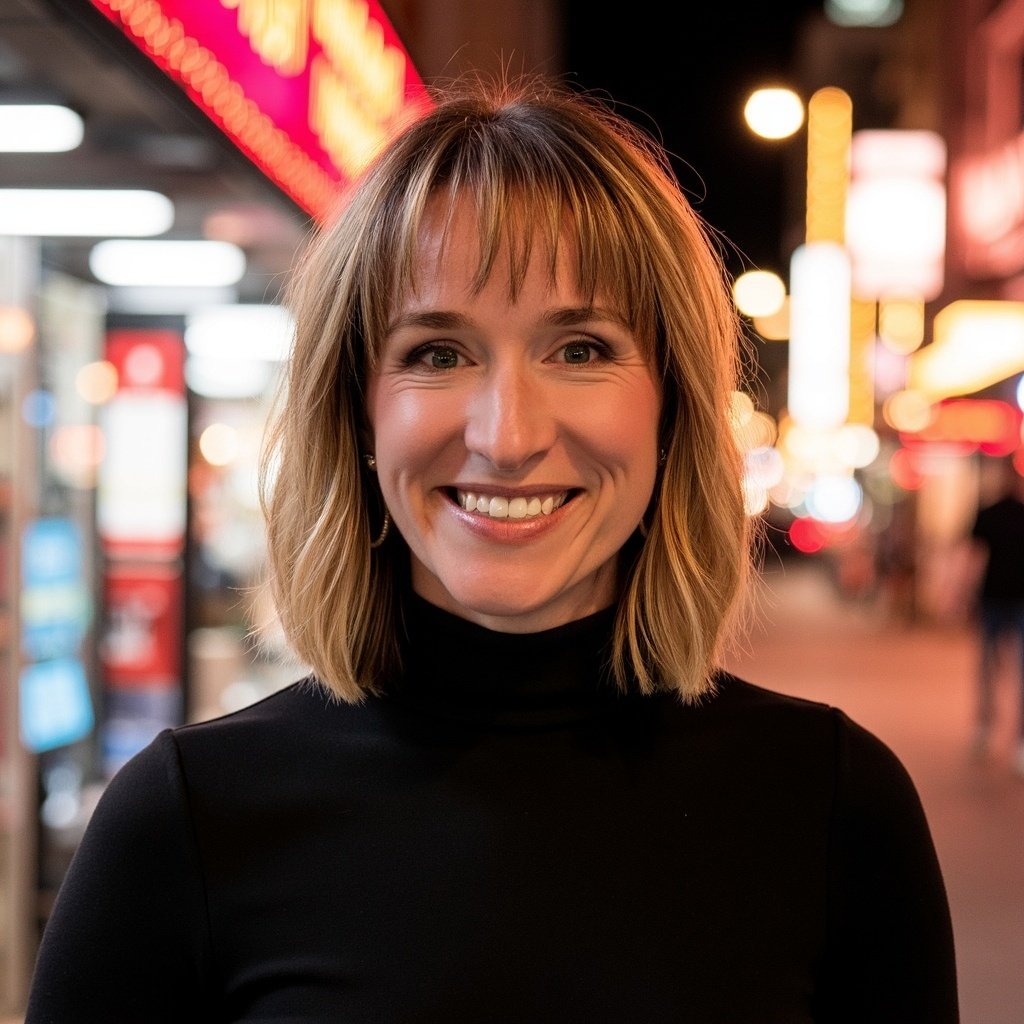
Maika Leibbrandt
Maika Leibbrandt is a workplace expert, executive coach, and management consultant who has spent two decades helping leaders build stronger teams, better managers, and more engaged workplaces. Known for turning research into practical action, she equips leaders with clear, people-first strategies that improve performance, trust, and retention—especially during seasons of pressure and change. In this session, Maika will share key truths about influential leadership drawn from employee engagement research, make the case for why engagement matters most in challenging times, and lead a practical conversation with the host about what effective employee leadership looks like in the real world.
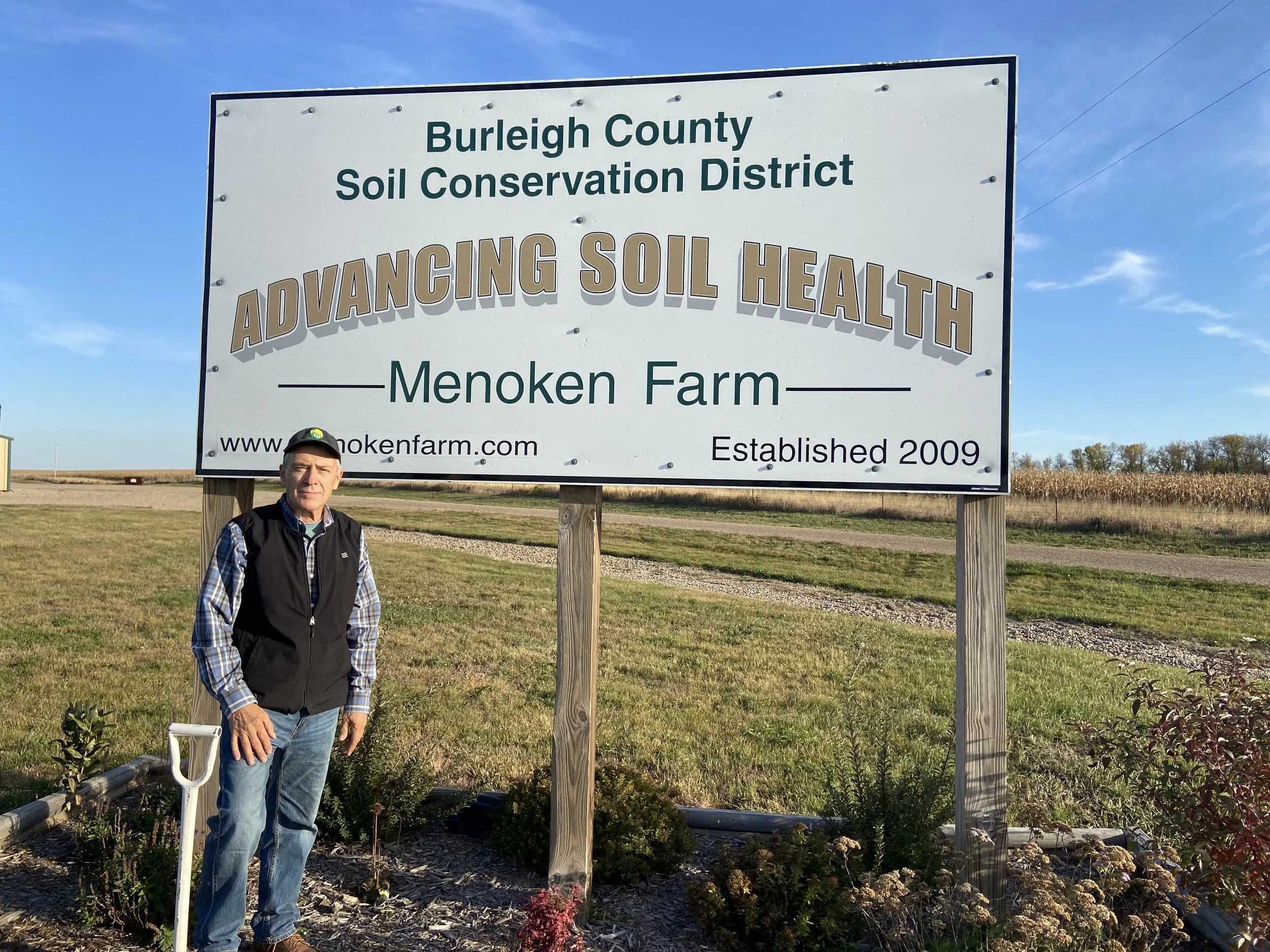
Jay Fuhrer
As a long time Conservationist growing up in the Dakotas on a small grain and livestock farm, Jay Fuhrer built a career taking care of the soil. Working at the Natural Resources Conservation Service/USDA from 1980 – 2020 out of Bismarck, North Dakota, Jay particularly enjoyed working from the pickup end gate on the field edge, with a spade and the client. Conservation planning one field at a time.
Currently, Jay spends his time supporting soil health efforts through the Menoken Farm, which is a conservation demonstration farm, and the North Dakota Grazing Lands Coalition. Both are Jay’s favorite places to work; applying and monitoring the soil health principles as they relate to people, plants, animals, and soils.

Ray Ward
Dr. Ray Ward founded Ward Laboratories in 1983 alongside his late wife, Jolene. Dr. Ward holds certifications as a Professional Agronomist (CPAg), Professional Soil Scientist (CPSS), and Certified Crop Advisor (CCA). He earned his Ph.D. in Soil Fertility from South Dakota State University in 1972, following a B.S. and M.S. in Agronomy from the University of Nebraska in 1959 and 1961, respectively.
Ray’s contributions to agriculture have been widely recognized, including the Soil Science Industry Award (2005) and Soil Science Professional Service Award (2007) from the Soil Science Society of America, the J. Benton Jones, Jr. Award (2011) at the 12th International Symposium on Soil and Plant Analysis in Greece, and the Henry Beachell Distinguished Alumni Award (2016) from Nebraska Ag Alumni. He was also honored with the 2019 No-Till Innovator Award, the 2022 Silver Eagle Award from Nebraska Farm Bureau, and the 2023 Honoree Award from the Nebraska Hall of Agricultural Achievement.
A passionate advocate for sustainable agriculture, Dr. Ward is dedicated to helping producers use resources efficiently, promote soil health, support environmental stewardship, and provide reliable laboratory data to improve agricultural productivity and decision-making.
Source: wardlab.com
Learn more about Ray’s contribution to the NSHC.
Energy - 2026 - Jay Fuhrer, Conservationist
Energy is intended to be a prerequisite for Rethinking Cover Crops. The solar energy which drives our agricultural systems will be followed from the sun all the way to plant seed production. Along the way we will discuss fossil solar energy and contemporary solar energy, which together supply 95% of our energy. What happened over geological time to create present day fossil solar energy hot spots? How is it that our agricultural soils are routinely short of incoming energy? Where are the “kinks” in the energy supply cord? What changes can I make to improve the soil-energy deficit? Most importantly, how do we start thinking of the soil as a living system where energy flows in and out, capturing solar energy in plants and storing it as biomass and carbon.
Rethinking Cover Crops - 2026
Jay Fuhrer, Conservationist
Rethinking Cover Crops is the follow-up to Energy. This presentation is intended for those who are thinking about cover crops or have tried cover crops and were disappointed in the results. Soil Regeneration centers around carbons’ ability to carry the energy generated by the sun, which over geological time built the soils we all benefit from today. Discussion will include Plant Primary and Secondary Metabolites, Planting Green, and Growing Green. Followed by examples of green living landscapes, brown dead litter landscapes, or even a green and brown combination landscape. Meaning we need a diversity of green plants to not only serve as carbon inlets but also extend the photosynthesis harvest. Rethinking Cover Crops will discuss how no-till planting is not enough, and the importance of extending sunlight harvest.
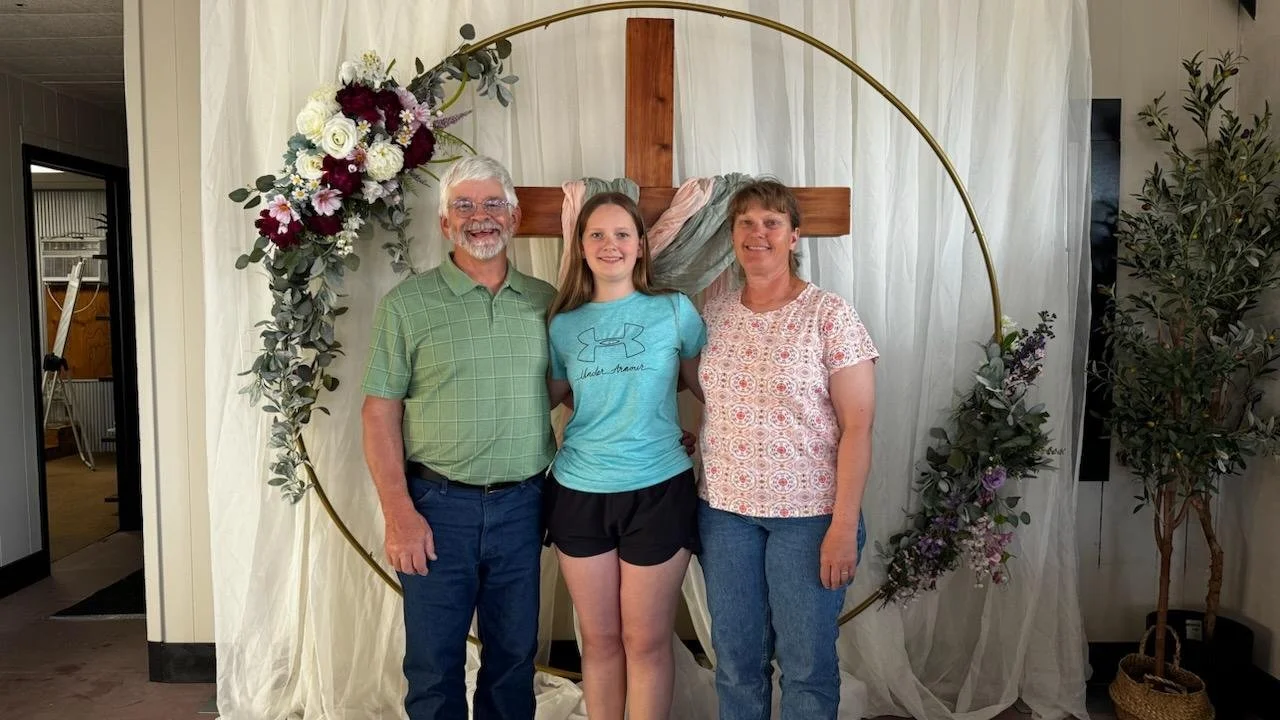
Julie Stahly
Bob, Julie and Grace (their daughter) Stahly farm and ranch near Stratton, Nebraska. We started using regenerative practices in 2017. Our typical crops are wheat, milo, forage crops, cover crops, field peas, and non-GMO corn and sunflowers. Cover crops and cool season crops gradually replaced summer fallow before wheat and we rotationally graze cattle where we have water resources that allow it.
In the fall of 2022, we began using compost extract to prime seed before planting. At the same time, we moved away from synthetic fertilizers, insecticides and fungicides. We carefully plan what herbicides are used ahead of planting. In 2024 we launched Homestead Grains as a value-added entity. We supply whole wheat flour, non-GMO cornmeal, sorghum flour and whole grain sorghum to about 30 stores in southwest NE and northwest KS. Currently, we are building a mill on our farm so we can increase production and add white flour to our product offerings.
We are continually working to learn what regenerative practices work best on our dryland farm and how to apply more biology to our system.
Bob Browleit
Bob is from the Seneca, NE area and been enrolled in the GRC program for 3 years. Previously, he worked for the NRCS at the Mullen, NE office. He also has experience with the Kansas State University Beef Extension Department was the Cow Calf Herd Manager at the UNL Mead Research Station.