
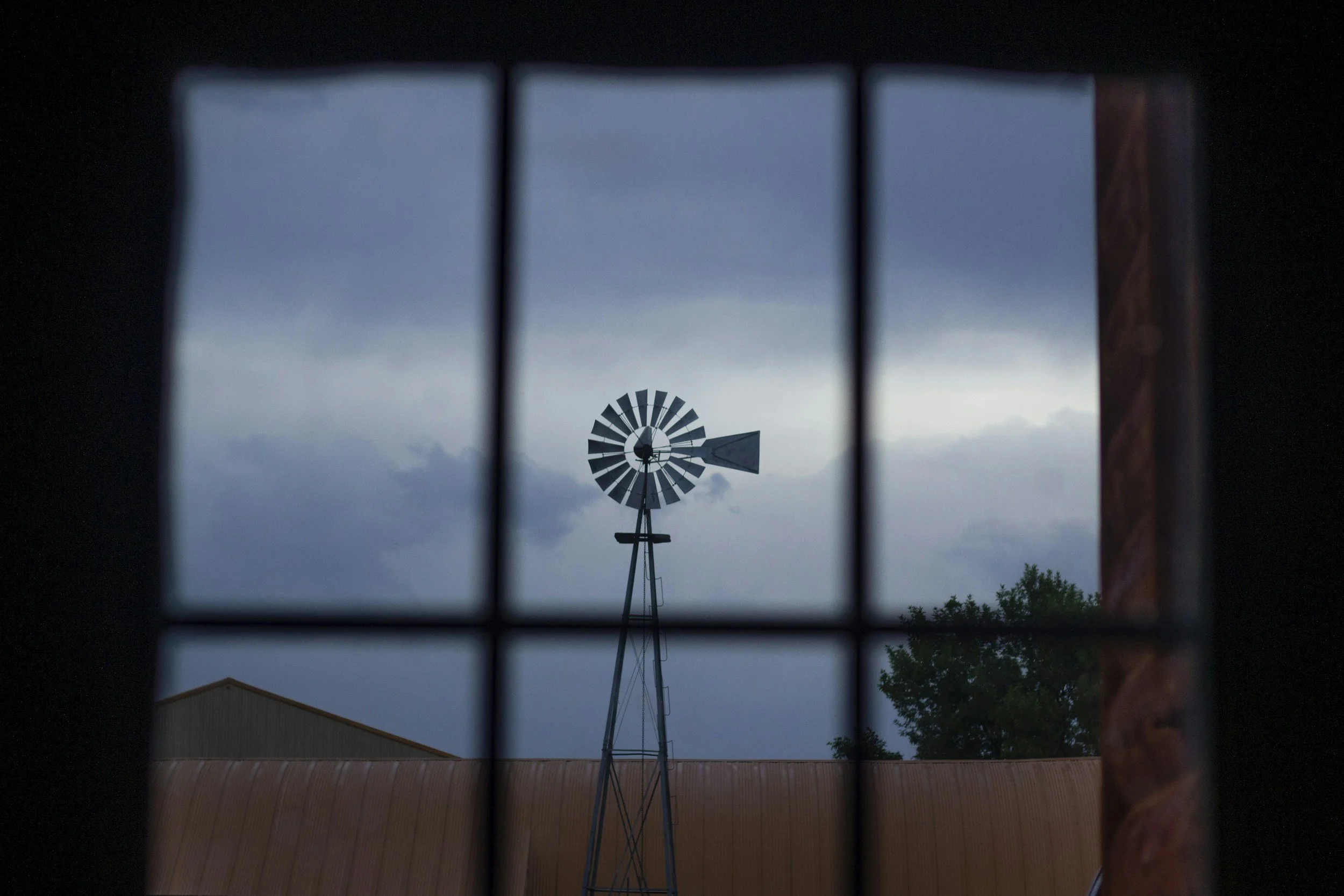
My Window View as a Young Nebraska Producer
As I travel the countryside near Geneva and my farm this winter, I’ve noticed something familiar but increasingly striking: an ever-increasing abundance of harvested corn acres. As a row crop farmer, I don’t just see residue — I see opportunity. By grazing corn stalks, I’m turning what’s left in the field into cash while reducing nutrient costs for my next crop. In this article, I will share my grazing practices, walk through the economics and explore how we can improve our land. But first, it helps to step back and remember the system that built the deep, productive soils we farm today.
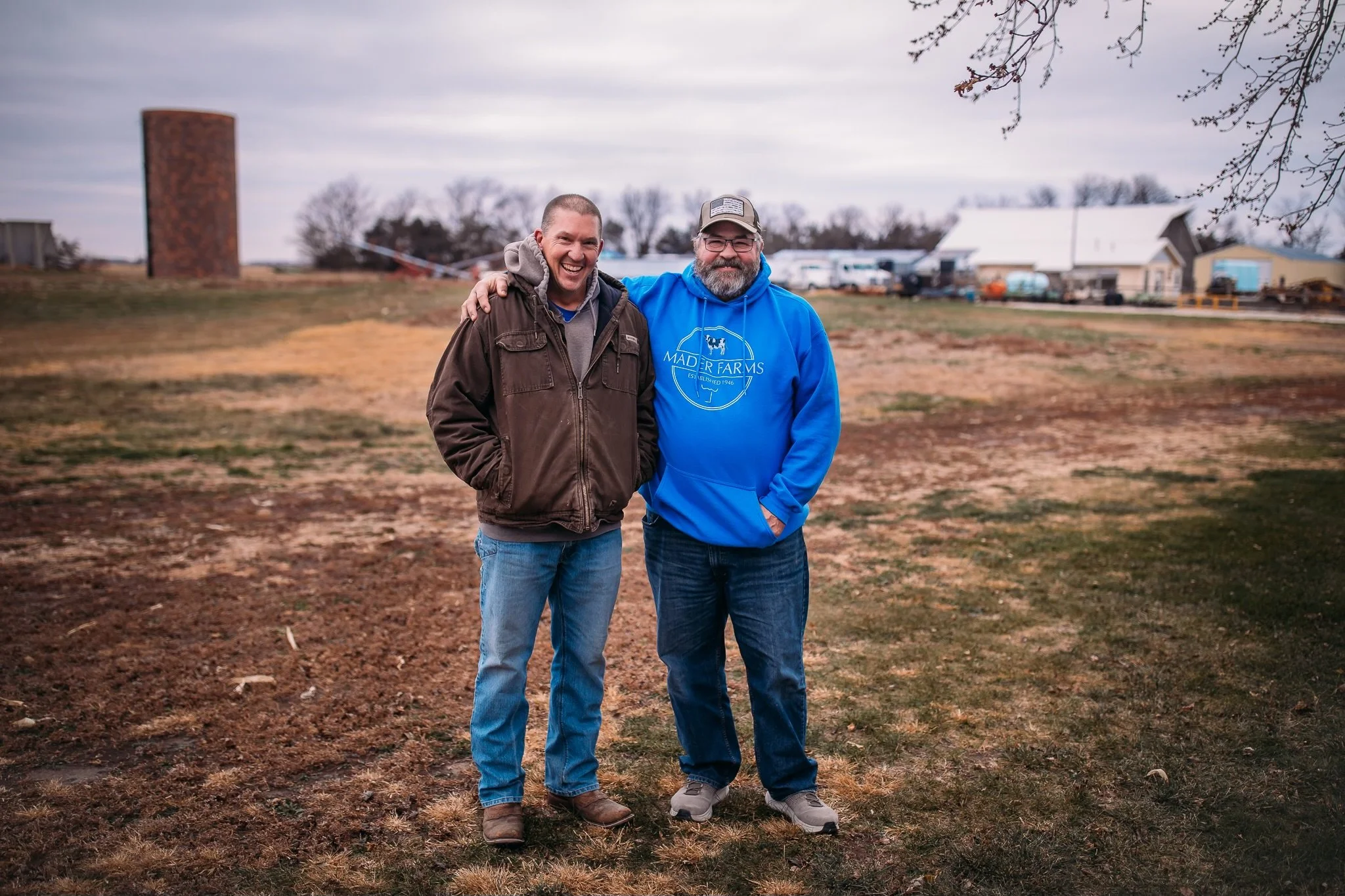
PART 1: "A Tale of Two Farms: Two Generations, Two Approaches"
Just north of Grand Island, Nebraska, in the sweeping cropland of the Platte River basin, lie two branches of what was once one family farm. It’s a familiar story: generations ago, two brothers decided to go their separate ways, and one farm became two.
60 Harvests – Changes I Have Seen
As I make my 78th trip around the sun, it feels right to pause and reflect on the tremendous changes Nebraska has seen during my lifetime. I’ve been fortunate to spend nearly all those years working in agriculture — first as a corn breeder for both my family’s small seed company and a major seed corn company, as a farmland owner, and as a Professor of Practice at the University of Nebraska–Lincoln.

The Value of Irrigation Water Meters
As the harvest season begins, producers reflect on their work and are working hard to produce a net profit. However, with increased fixed costs, the reduced margins make it imperative to evaluate inputs that drain resources without adding value. Irrigation water metering is one of the simplest, most costeffective tools that helps producers protect their investment, cut operating costs and safeguard both their livelihood and community health. Through my work at the Hastings Utilities, I have seen the value of water meters to manage resources and pump equipment.