
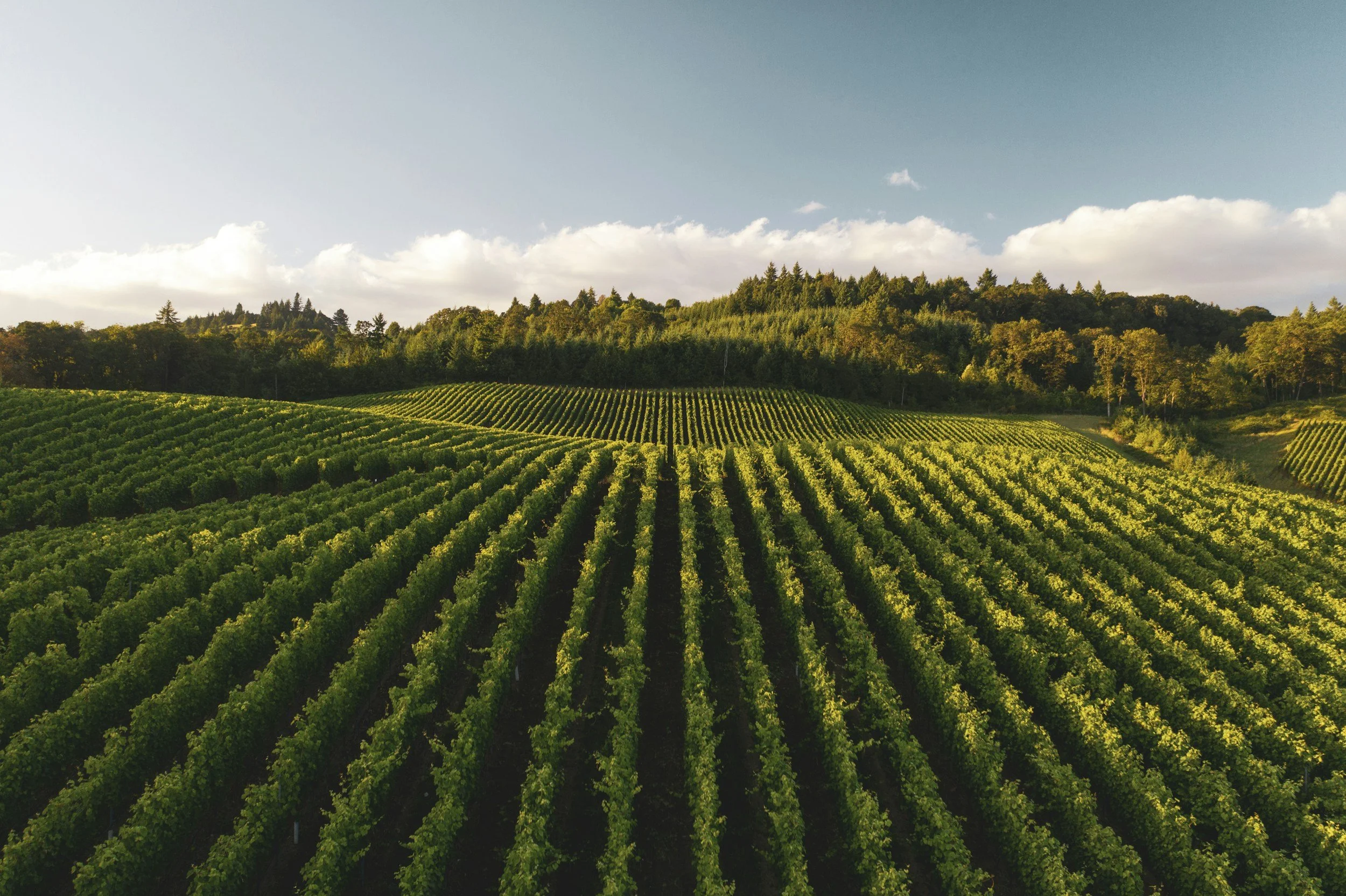
Regenerative Agriculture: 4 Reasons Why a Back-to-Basics Approach to Farming is Growing in Nebraska
Regenerative agriculture is gaining real momentum in Nebraska as producers search for ways to stay profitable in a very tough economic environment.
Farmers are facing a significant financial squeeze in 2025–2026, driven by high production costs, low commodity prices, and rising debt. At the same time, a growing number of ag producers and rural communities are recognizing another urgent priority: protecting the soil and water beneath our feet.
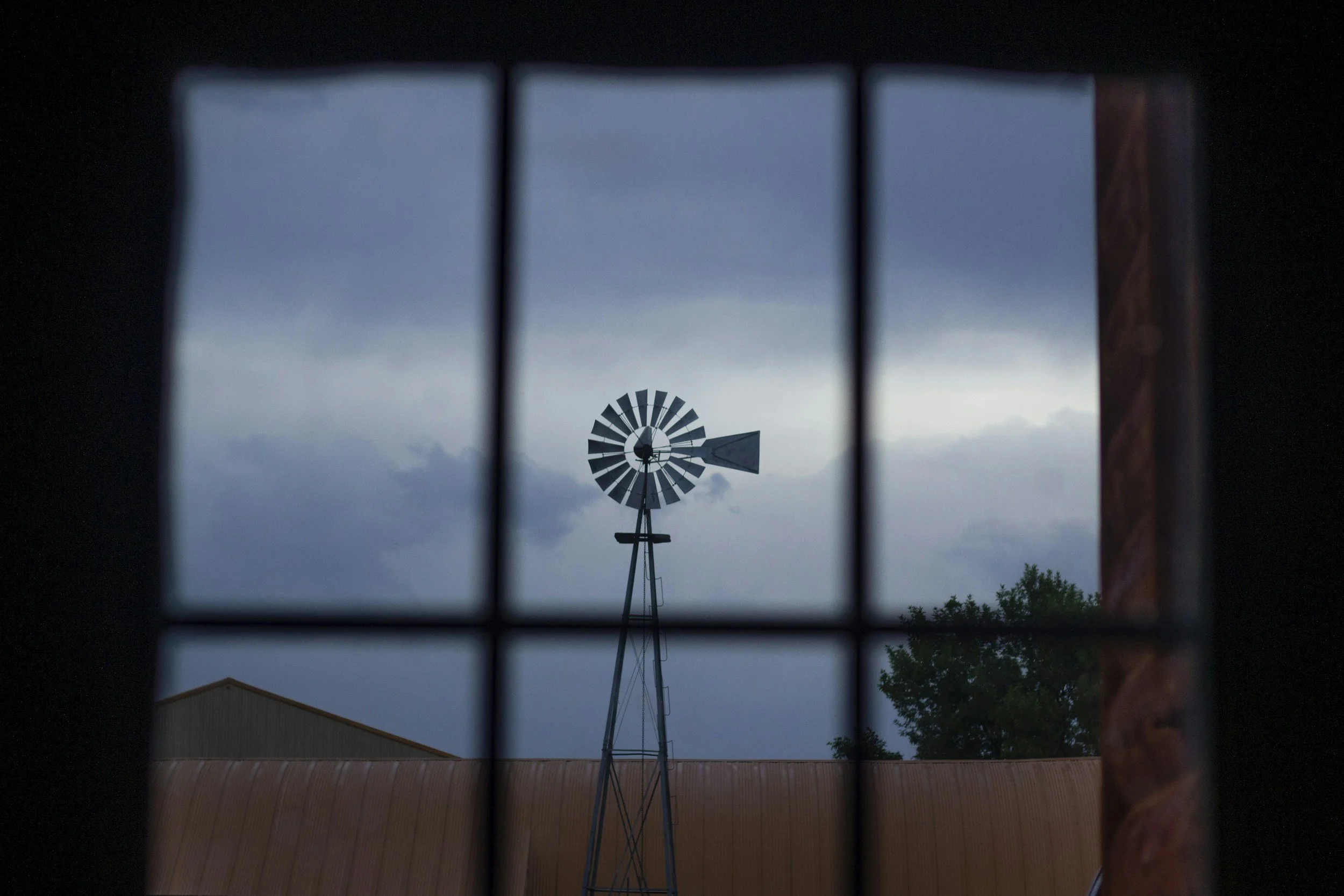
My Window View as a Young Nebraska Producer
As I travel the countryside near Geneva and my farm this winter, I’ve noticed something familiar but increasingly striking: an ever-increasing abundance of harvested corn acres. As a row crop farmer, I don’t just see residue — I see opportunity. By grazing corn stalks, I’m turning what’s left in the field into cash while reducing nutrient costs for my next crop. In this article, I will share my grazing practices, walk through the economics and explore how we can improve our land. But first, it helps to step back and remember the system that built the deep, productive soils we farm today.

Intro to Stories of Success
Welcome to Nebraska Soil Health Coalition’s Stories of Success series!
In the months ahead, we will highlight farmers and ranchers across Nebraska who are seeing real-world improvements to their operations by adopting soil health practices. As soil health and regenerative agriculture continue to be more commonly discussed, it is natural to wonder, “Does this actually work? Why does it matter how people farm and ranch?” These Stories of Success will not only share the experiences of producers in their own words, but also incorporate quantitative and qualitative research to validate their success. Why does it matter? Because soil health is also the basis for human health and environmental health.
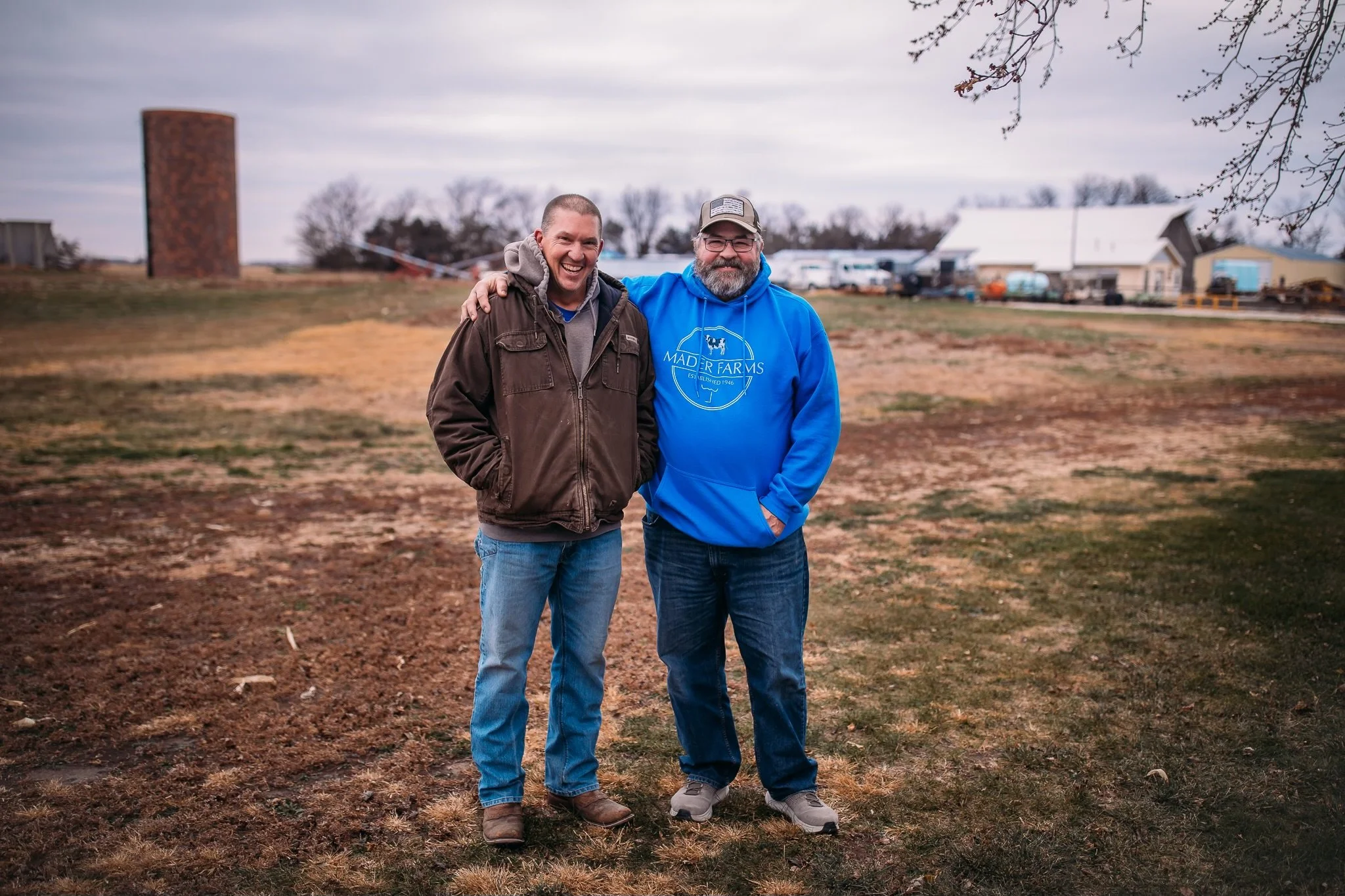
PART 1: "A Tale of Two Farms: Two Generations, Two Approaches"
Just north of Grand Island, Nebraska, in the sweeping cropland of the Platte River basin, lie two branches of what was once one family farm. It’s a familiar story: generations ago, two brothers decided to go their separate ways, and one farm became two.