
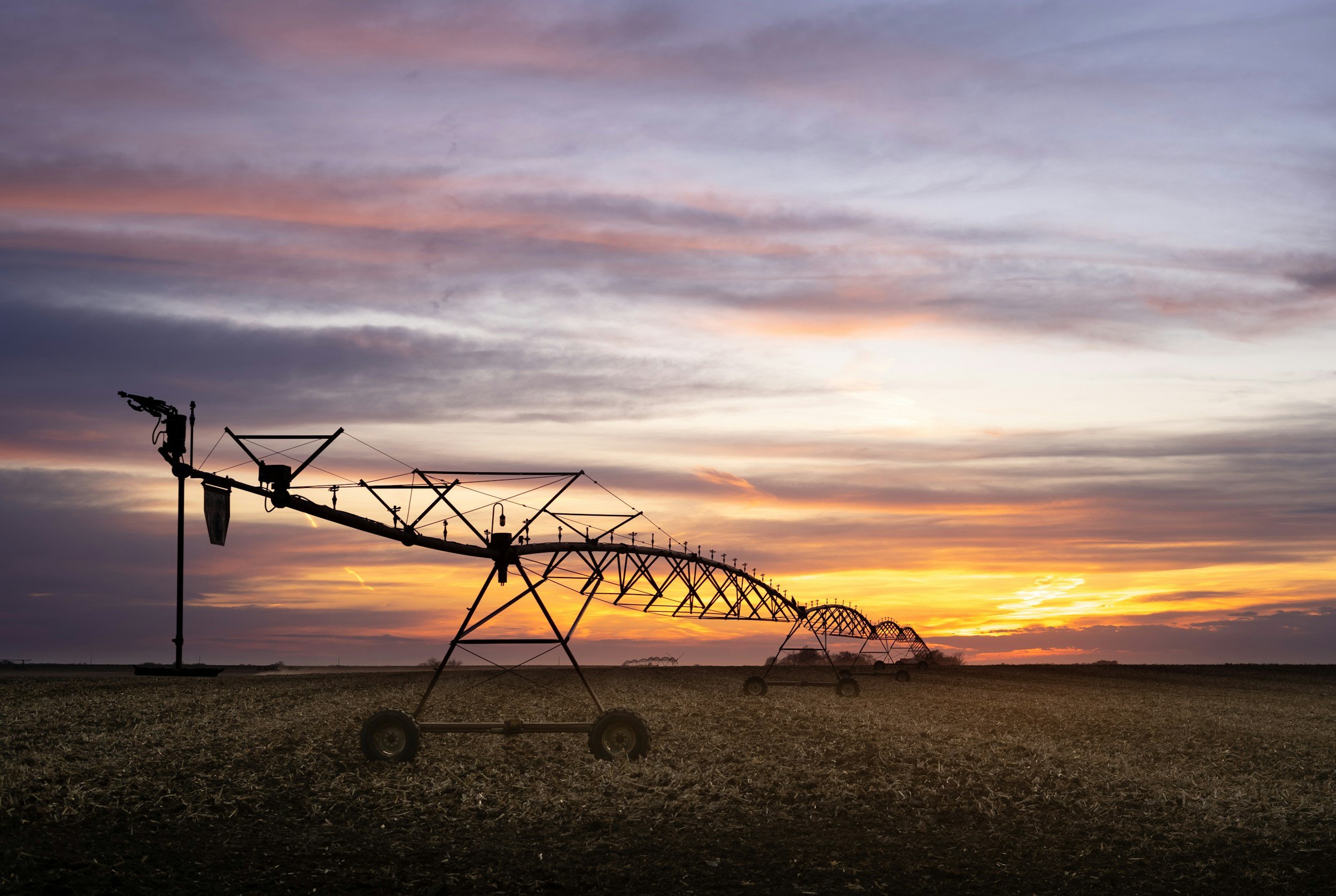
What is in Our Water?—A conversation with Marty Stange
The water we drink. The water that we use to irrigate crops and feed livestock. The water we swim, fish, and tank in—-it is so important.
For Marty Strange, water has been a lifelong passion. Growing up on a farm in central Nebraska, his connection to water began early, carried him through a 36-year career at Hastings Utilities and into retirement. Now a board member of the Nebraska Soil Health Coalition, Marty is dedicated to helping producers and community members answer: What is in our water?
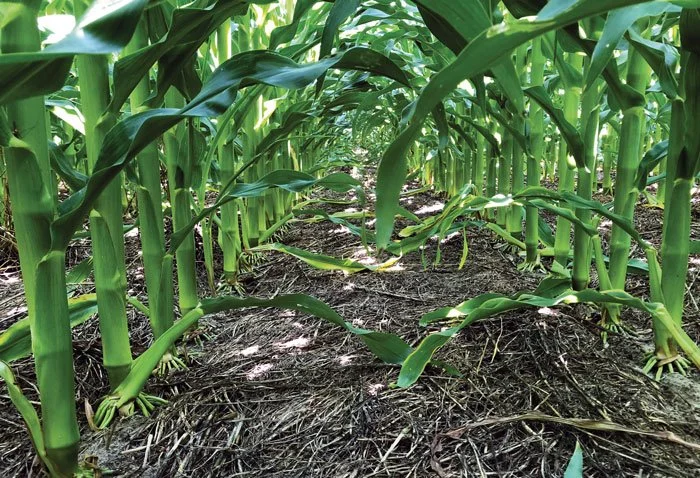
Rainfall is Cash: Why Nebraska Irrigators Are Turning to "Soil Armor"
At the dryland Rogers Memorial Farm at Lincoln, switching to no-till and cover crops boosted water infiltration from 1 inch per hour to 6-plus inches per hour. The result: More water in the soil, leading to consistently higher yields.
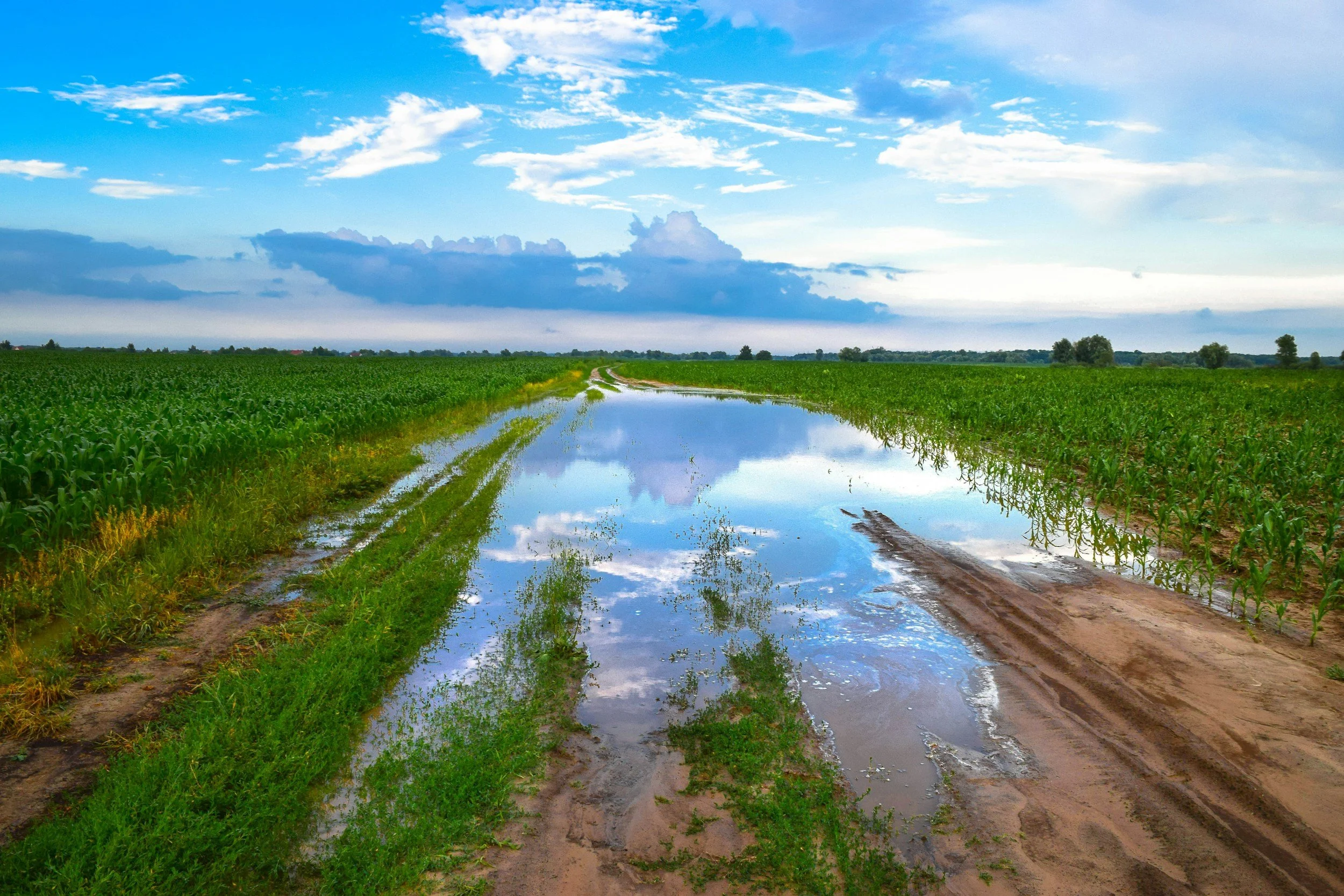
‘Yes, but how much rain did you keep?’
Improved productivity and profitability follow as soil health improves, making production systems more resilient while reducing risks to the environment. This became the focus of my Extension programs and why I’m working with the Nebraska Soil Health Coalition (NHSC) to help producers adopt practices to improve soil health.
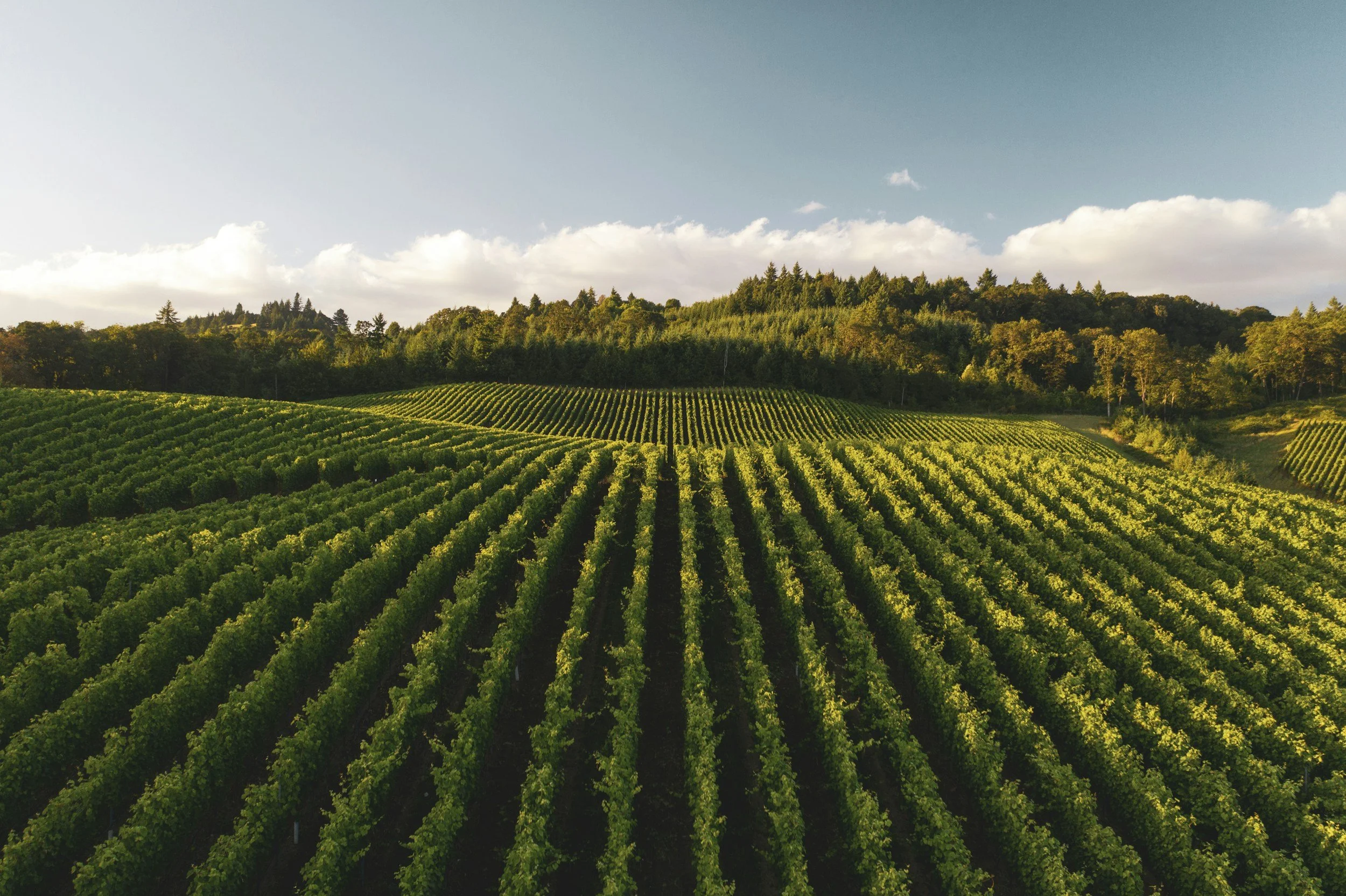
Regenerative Agriculture: 4 Reasons Why a Back-to-Basics Approach to Farming is Growing in Nebraska
Regenerative agriculture is gaining real momentum in Nebraska as producers search for ways to stay profitable in a very tough economic environment.
Farmers are facing a significant financial squeeze in 2025–2026, driven by high production costs, low commodity prices, and rising debt. At the same time, a growing number of ag producers and rural communities are recognizing another urgent priority: protecting the soil and water beneath our feet.