

Articles and Videos
Featured



As I travel the countryside near Geneva and my farm this winter, I’ve noticed something familiar but increasingly striking: an ever-increasing abundance of harvested corn acres. As a row crop farmer, I don’t just see residue — I see opportunity. By grazing corn stalks, I’m turning what’s left in the field into cash while reducing nutrient costs for my next crop. In this article, I will share my grazing practices, walk through the economics and explore how we can improve our land. But first, it helps to step back and remember the system that built the deep, productive soils we farm today.
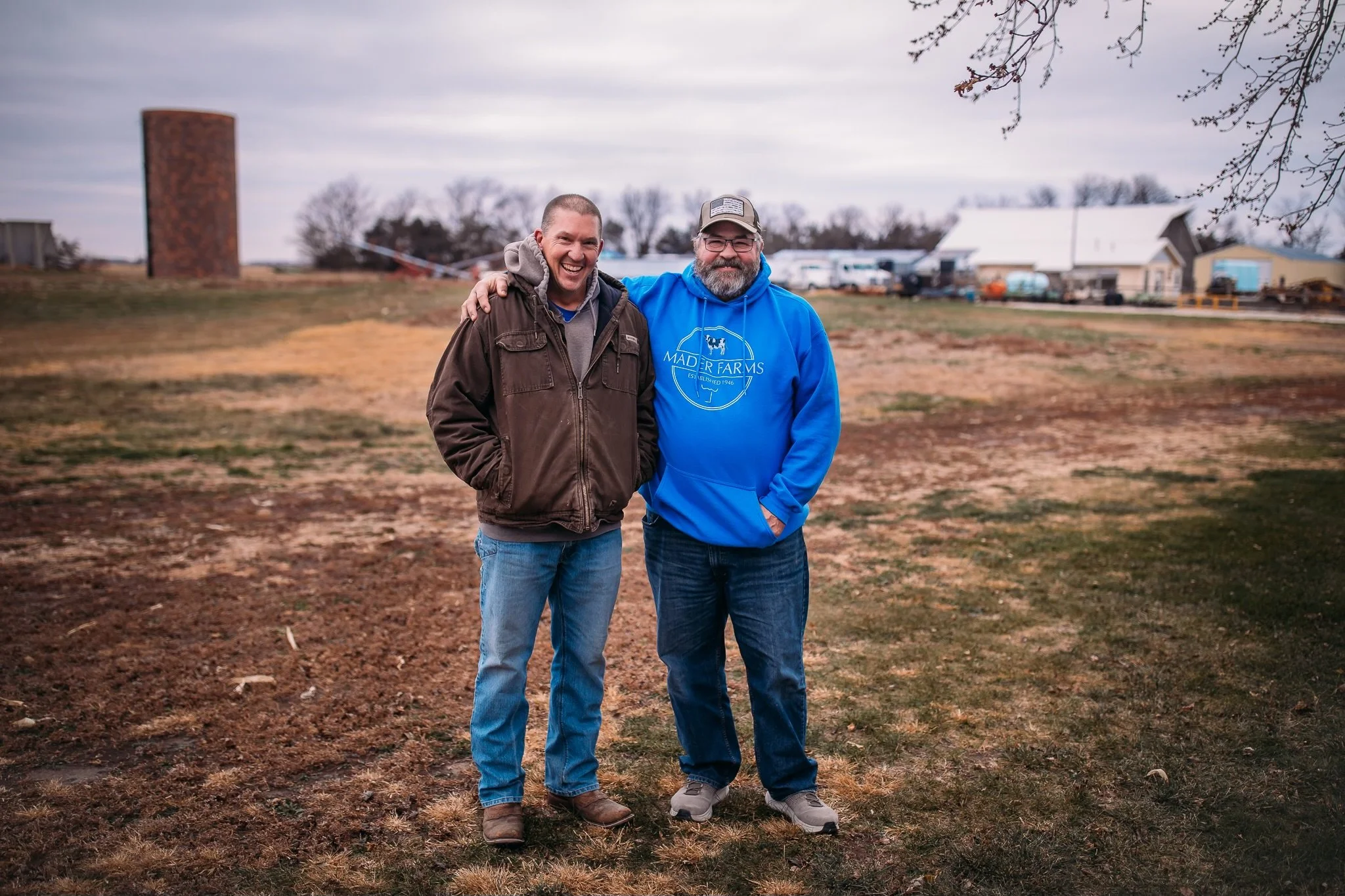
Just north of Grand Island, Nebraska, in the sweeping cropland of the Platte River basin, lie two branches of what was once one family farm. It’s a familiar story: generations ago, two brothers decided to go their separate ways, and one farm became two.
As I make my 78th trip around the sun, it feels right to pause and reflect on the tremendous changes Nebraska has seen during my lifetime. I’ve been fortunate to spend nearly all those years working in agriculture — first as a corn breeder for both my family’s small seed company and a major seed corn company, as a farmland owner, and as a Professor of Practice at the University of Nebraska–Lincoln.
As the harvest season begins, producers reflect on their work and are working hard to produce a net profit. However, with increased fixed costs, the reduced margins make it imperative to evaluate inputs that drain resources without adding value. Irrigation water metering is one of the simplest, most costeffective tools that helps producers protect their investment, cut operating costs and safeguard both their livelihood and community health. Through my work at the Hastings Utilities, I have seen the value of water meters to manage resources and pump equipment.
When I was about ten years old, my father came home from helping a neighbor and looked noticeably unsettled. The neighbor had asked my dad—and several others—to help break a spirited young horse. The methods used were gruesome, built on force and dominance. In the end, the horse was broken in spirit.
Ask a producer “How much rain did you get?” and he’ll tell you, usually followed with a “but.” Either “but we need more as it’s been dry” or “but it came too fast and most of it ran off.” What really matters is “How much rain did you keep?” Producers with well structured, healthy soils will respond “all of it.”
Paul Harvey’s iconic sign-off—“And now you know the rest of the story”—captivated more than 24 million weekly listeners from 1951 to 2008. His legendary piece “So God Made a Farmer” resonates to this day, celebrating the spirit of rural America. If Harvey were alive today, we believe he’d champion a Nebraska-rooted, community-led movement that’s redefining stewardship and sustainability.
You should have seen the pheasants we spotted from the school bus windows, their vibrant colors standing out against the Nebraska landscape. You should have seen how we turned on the hydrant in the farmyard and drank the cool, refreshing water in big gulps on a hot summer day, never giving a second thought to whether it needed treatment.
As I reflect on how much has changed in rural Nebraska over the decades, I’ve come to appreciate the “Seventh Generation Principle,” an ancient Haudenosaunee (Iroquois) philosophy. It encourages us to consider how our decisions today will impact the next seven generations. I can’t help but wonder—what will my grandkids say to their grandkids about the choices we’re making now?
On a cold and soggy December morning, I met with Marty Stange, Environmental Director for Hastings City Utilities, for a tour of his reverse osmosis (R.O.) water treatment facility. We talked a lot about soil health—how it affects groundwater, human health, and the rising levels of contaminants like nitrate, uranium, selenium, and chromium, all of which are potential carcinogens.
Healthy soil is the foundation of everything—supporting healthy plants, healthy food and water, and ultimately, healthy people. And it all begins with the “grassroots” that grow in and thrive from it.
Did you know that the principles of economics don’t just apply to nations or businesses? They’re also at work beneath our feet—in the soil! Just like in our everyday lives, the “economy” of soil is all about interactions, transactions, and relationships, driven by the big three players: soil, plants, and soil biology.
The idea of “taking care of the land”—or having a conservation ethic—reflects the core belief that we’re all responsible for the natural resources we rely on. For those of us in conservation, farmers and ranchers have always been among the best stewards of the land. After all, their livelihoods depend on the long-term health and productivity of their soil. But despite their dedication, it’s becoming more challenging for some producers to implement these practices due to evolving trends in land ownership and management.
For thousands of years, humans farmed in sync with nature. But in the last century, we’ve taken a different approach, using machines, chemicals, and fossil fuels to boost production. While this industrial agriculture has been profitable, it’s come at a cost to the environment.
Regenerative agriculture is gaining real momentum in Nebraska as producers search for ways to stay profitable in a very tough economic environment.
Farmers are facing a significant financial squeeze in 2025–2026, driven by high production costs, low commodity prices, and rising debt. At the same time, a growing number of ag producers and rural communities are recognizing another urgent priority: protecting the soil and water beneath our feet.