
For Whom the Soil Tolls: Lessons in Connection
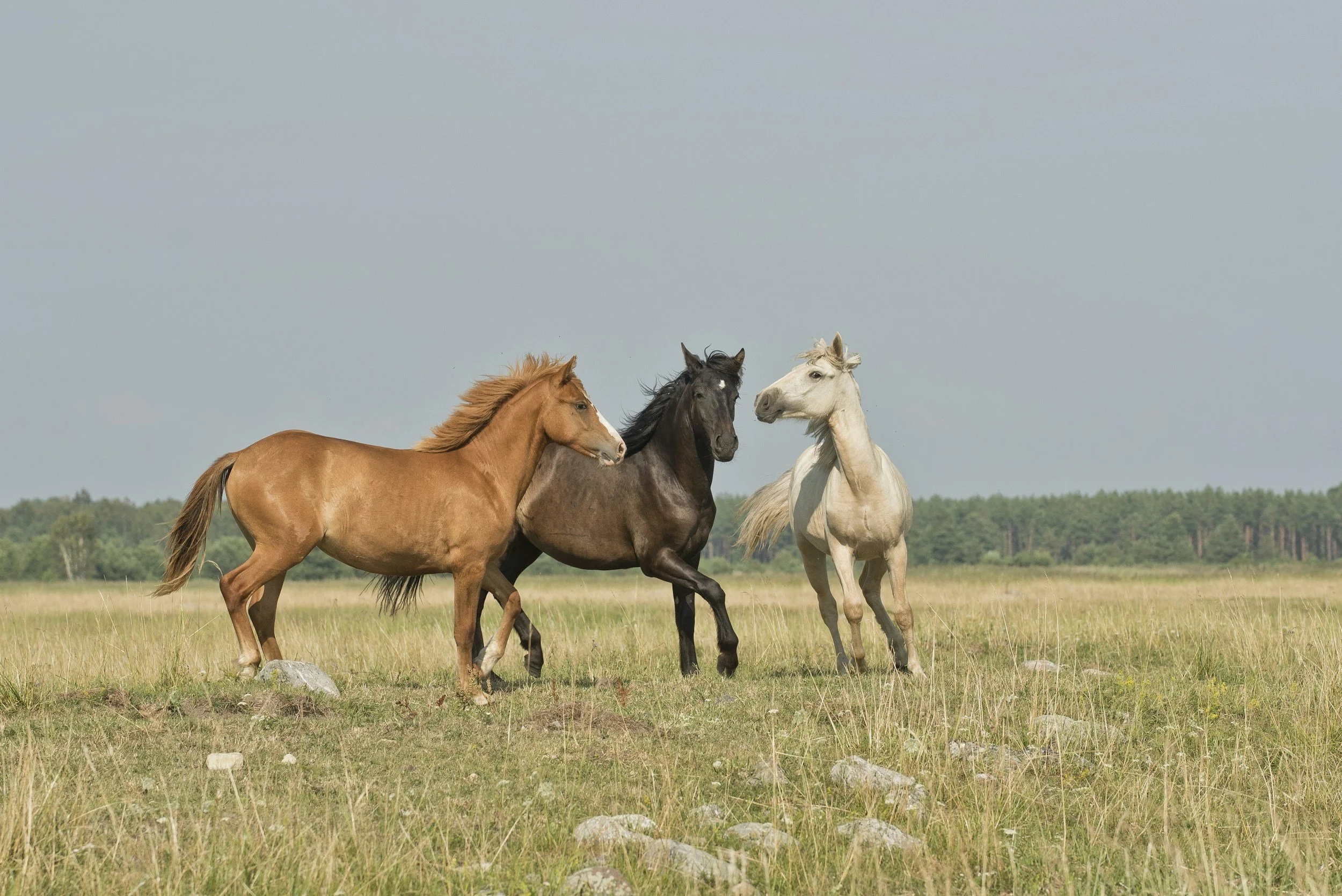
When I was about ten years old, my father came home from helping a neighbor and looked noticeably unsettled. The neighbor had asked my dad—and several others—to help break a spirited young horse. The methods used were gruesome, built on force and dominance. In the end, the horse was broken in spirit.

Soil Health Benchmarking in Nebraska Soil Health Coalition Hub 1: Building a Baseline for Nebraska’s Future
The Nebraska Soil Health Coalition (NSHC), in partnership with Dr. Bijesh Maharjan, associate professor in soil science and agronomy at the University of Nebraska-Lincoln (UNL), is taking an important step toward understanding and improving the resilience of Nebraska’s soils. The NSHC is a grassroots effort focused on improving farm resilience from the ground up. In Hub 1, located in south-central Nebraska, the first region in this statewide effort, soil health benchmarking is underway to establish clear reference points that will guide producers, researchers, and conservation partners in sustaining the land for future generations.
Regenerative Agriculture Economics: From the Ground Up
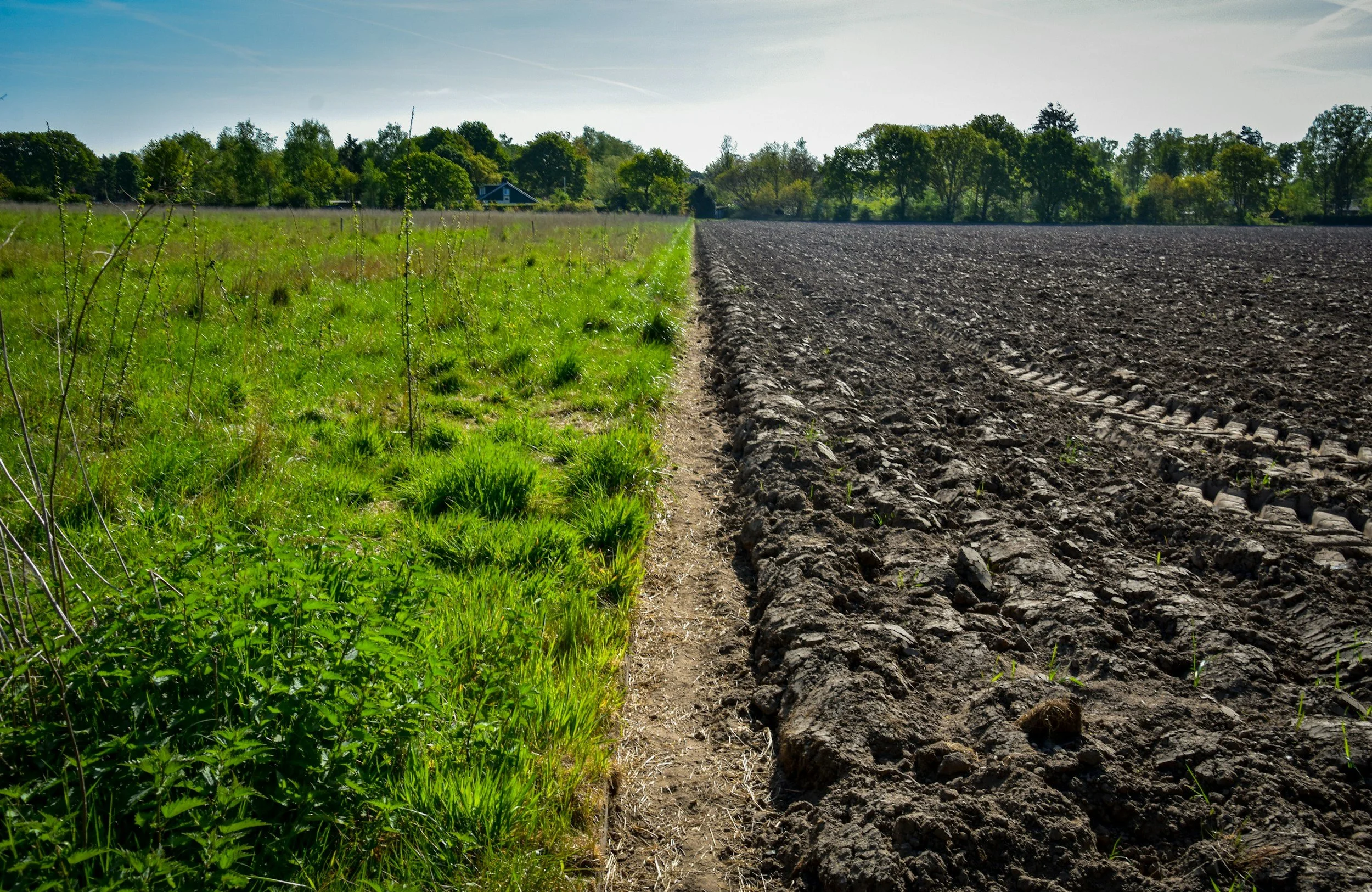
“If it improves the ground, it’s going to improve my potential income.” — Kipp Hinrichs, Glenvil, Nebraska farmer
That statement captures the heart of regenerative agriculture. It’s not just about environmental stewardship — it’s about economic resilience.

How much rain did you keep?
Ask a producer “How much rain did you get?” and he’ll tell you, usually followed with a “but.” Either “but we need more as it’s been dry” or “but it came too fast and most of it ran off.” What really matters is “How much rain did you keep?” Producers with well structured, healthy soils will respond “all of it.”